Tallqvist, Torkel: Leadership in repetitively innovative mature companies
Publisher: Åbo Akademi University Press,
Biskopsgatan 13, Turku/Åbo, Finland.
Copyright © 2009 by Torkel Tallqvist.
Typography: Michael Diedrichs.
Printing house: Painosalama, Turku/Åbo.
Cover photograph: Rami Salle.
CIP Cataloguing in Publication: Tallqvist, Torkel,
Leadership in repetitively innovative mature companies /
Torkel Tallqvist. – Åbo:
Åbo Akademi University Press, 2009.
Diss.: Åbo Akademi University.
ISBN 978–951–765–463–0 and
ISBN 978–951–765–464–7
(digital)
LIST OF TABLES
Table 1. Reference Frame Frequencies by Period 1975–2000, p. 44
Table 2. Organizational Implications of Generic Strategies, p. 49
Table 3. Links Between Elements of Cultural Leadership and Consequences for Culture, p. 79
Table 4. Characteristics of the Formal vs. Informal Organizations, p. 92
Table 5. Mechanical vs. Organic Systems of Management, p. 94
Table 6. Power Sources and Contribution of Promotors, p. 105
Table 7. Promotor Structures and Degree of Innovativeness, p. 107
Table 8. Dynamics of Promotor Roles, p. 109
Table 9. Profiles of the Case Firms, p. 118
Table 10. Empirical Description of the Use of a Product, p. 128


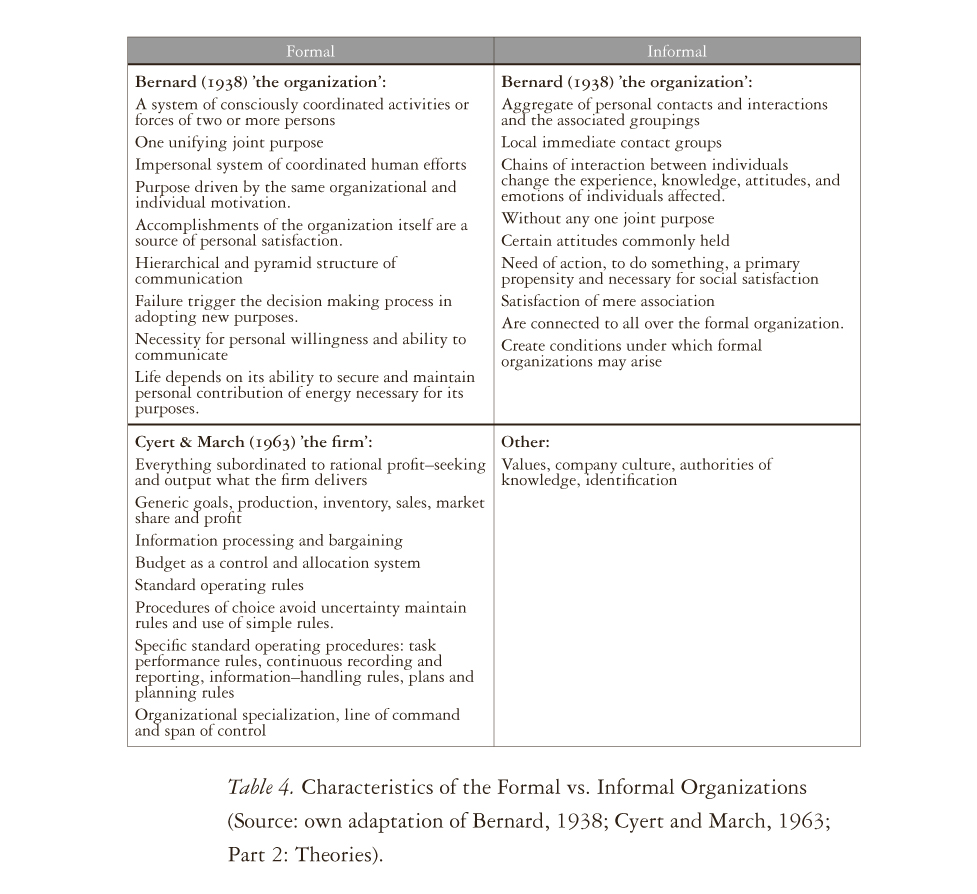
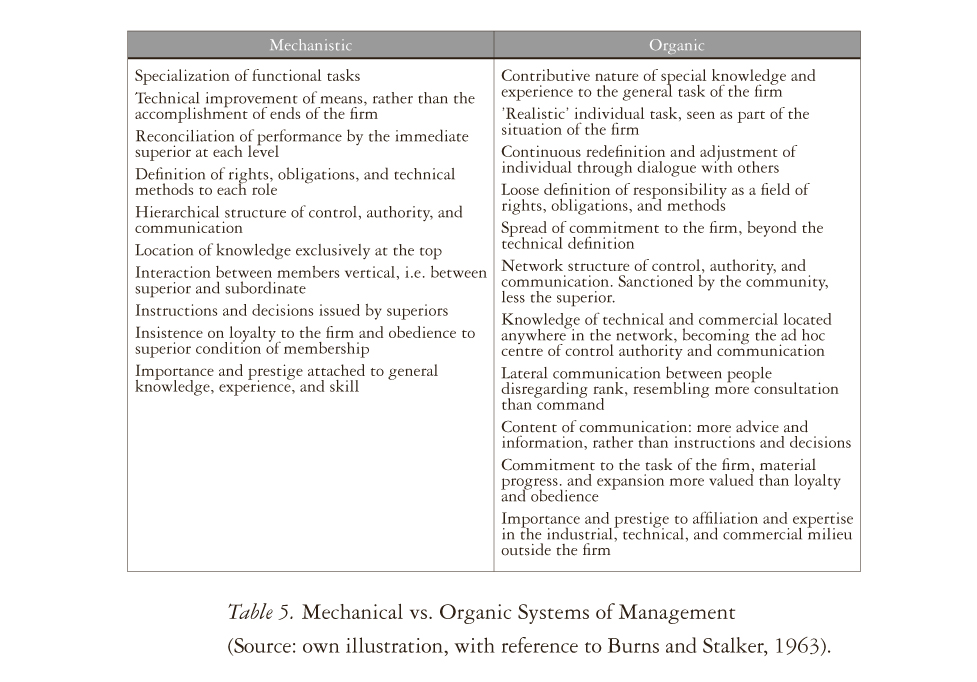

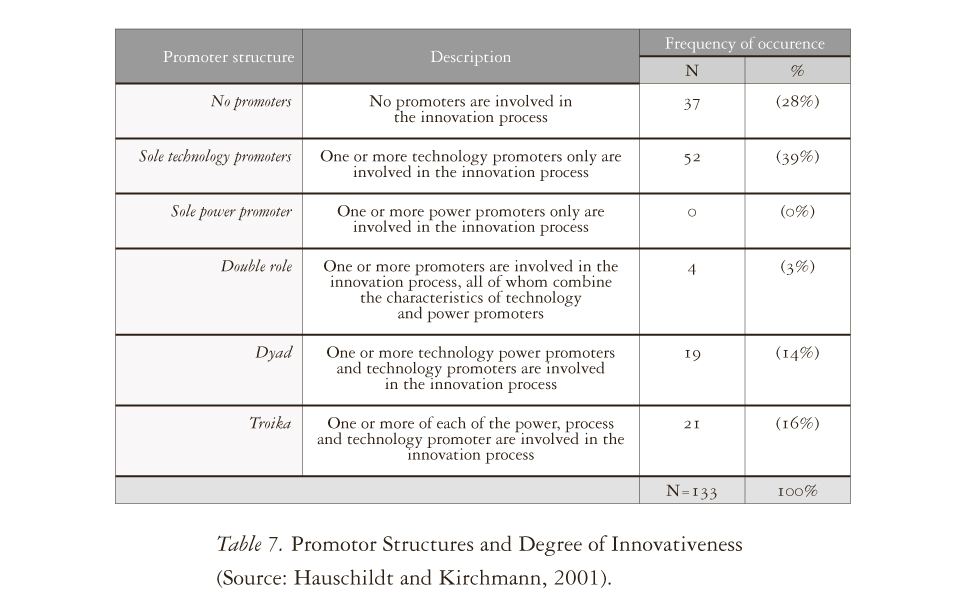
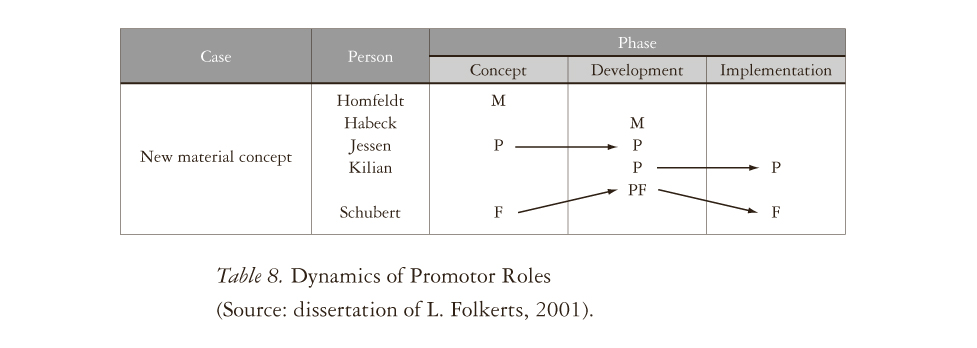
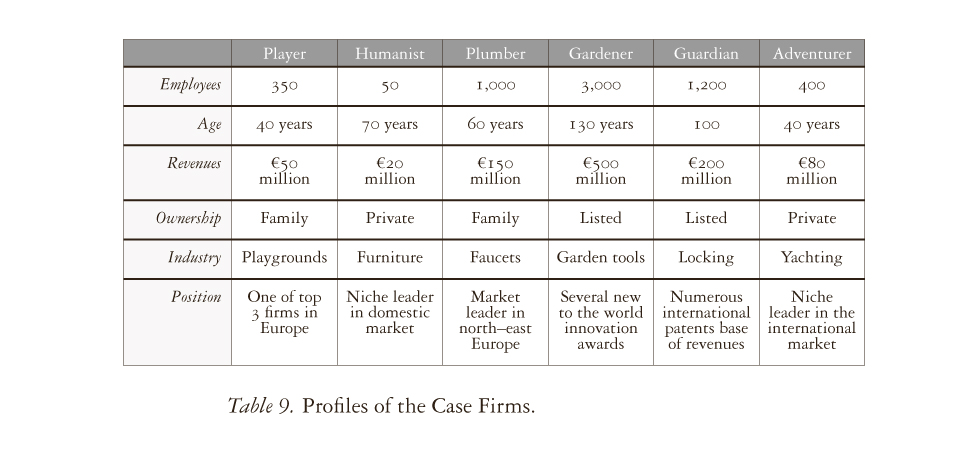
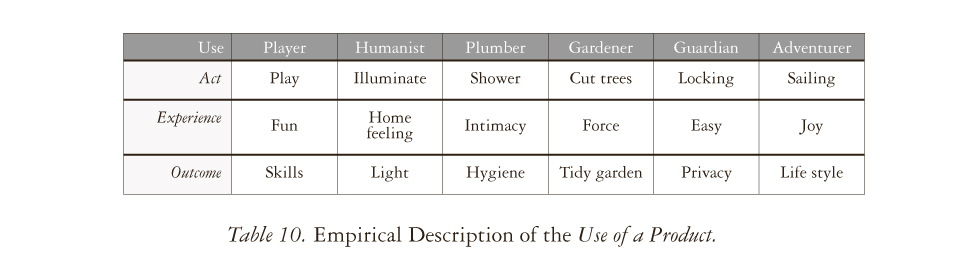
Table 11. Grading Standard of the Observations, p. 129
Table 12. List of Categories of Empirical Material, p. 130
Table 13. Cross-Case Comparison of Significance of Category Use, p. 139
Table 14. Cross-Case Comparison of Observations of Use, p. 139
Table 15. Cross-Case Comparison of Significance of Category of Location, p. 142
Table 16. Cross-Case Comparison of Observations of Location, p. 142
Table 17. Cross-Case Comparison of Significance of Category of Users, p. 146
Table 18. Cross-Case Comparison of Observations of Users, p. 146
Table 19. Variety of Product Terminology, p. 148
Table 20. Variety of Product Concept Terminology, p. 148
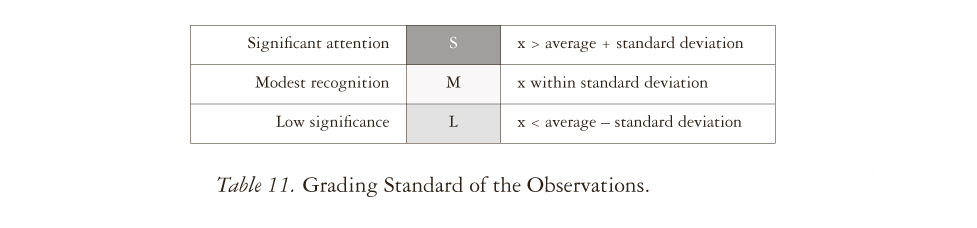
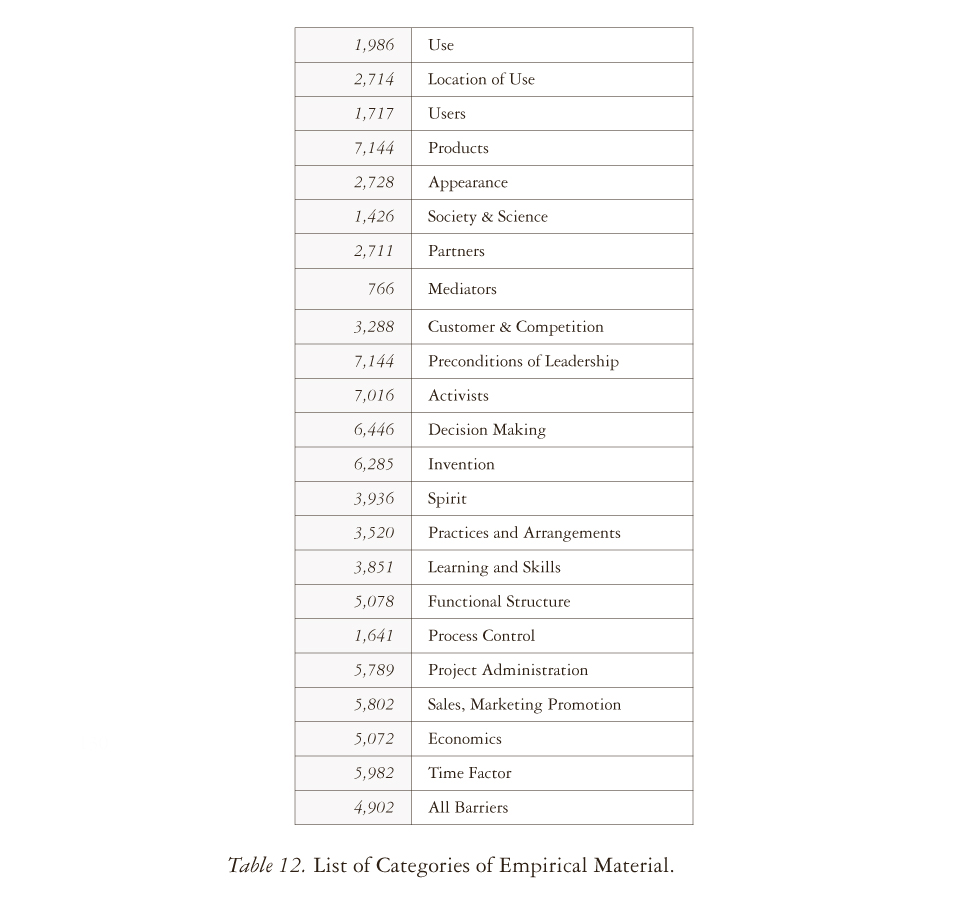

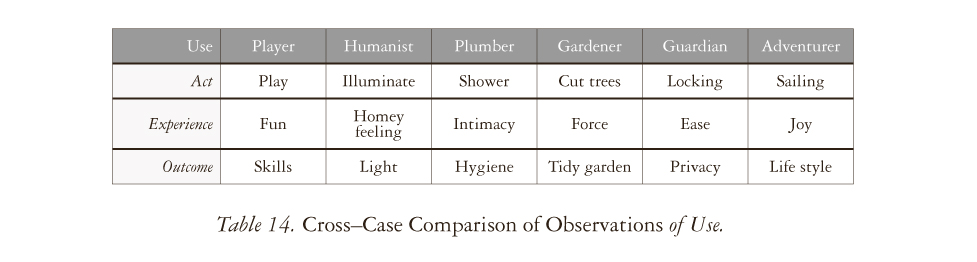
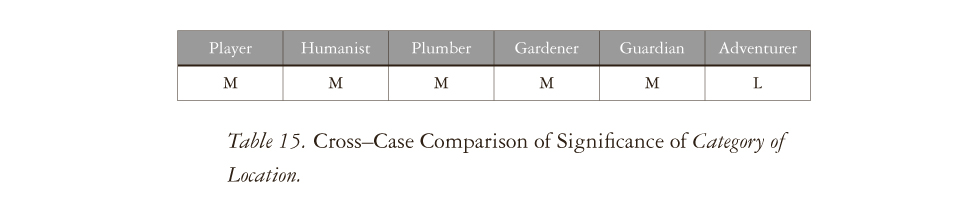
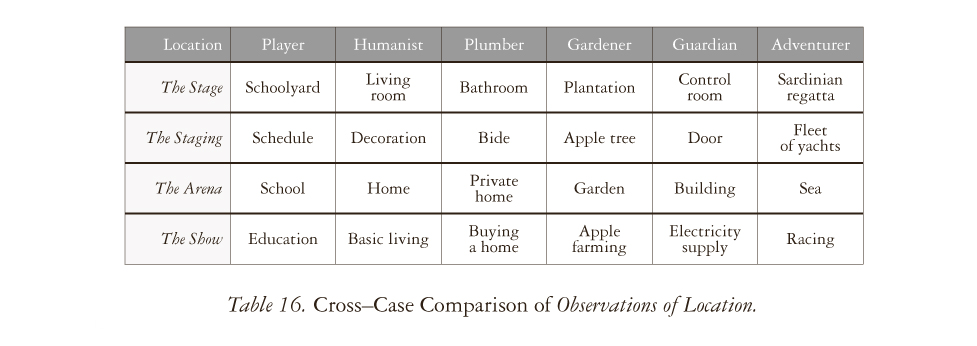
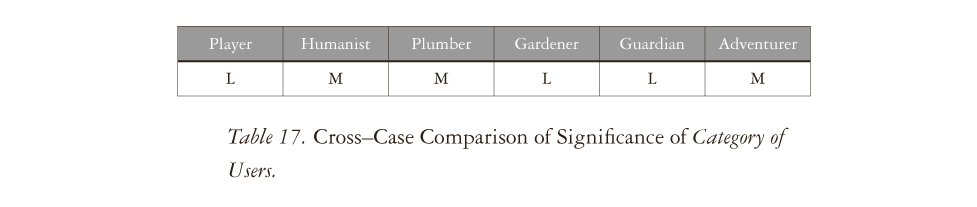
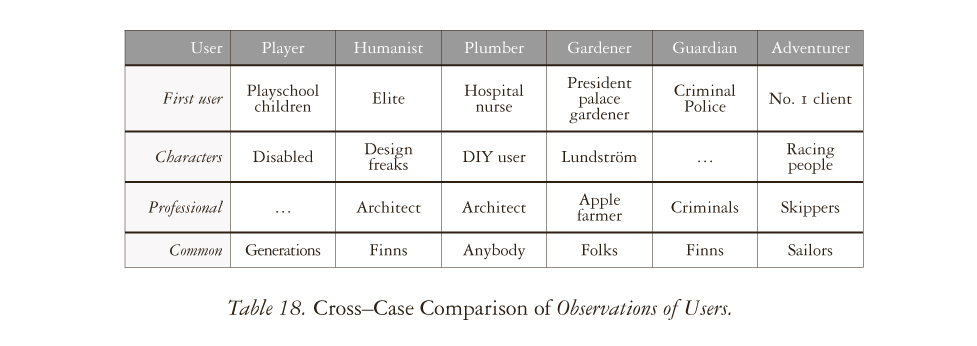
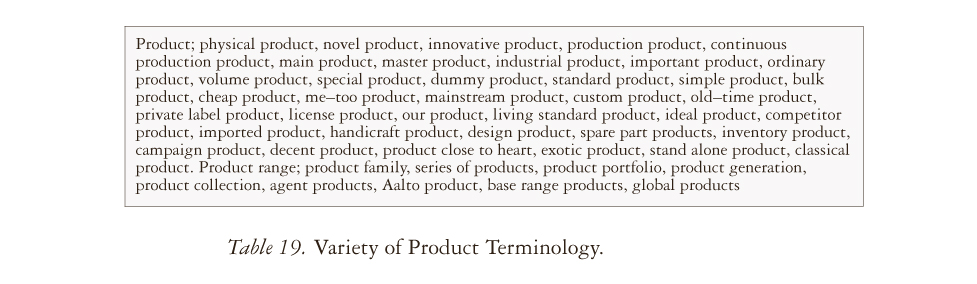

Table 21. Cross-Case Comparison of Significance of Category of Product, p. 150
Table 22. Cross-Case Comparison of Significance of Observations of Products, p. 150
Table 23. Cross-Case Comparison of Significance of Category of Appearance, p. 154
Table 24. Cross-Case Comparison of Observations of Appearance, p. 155
Table 25. Cross-Case Comparison of Category of Society and Science, p. 158
Table 26. Cross-Case Comparison of Significance of Observations of Society and Science, p. 159
Table 27. Cross-Case Comparison of Significance of Category of Partners, p. 164
Table 28. Cross-Case Comparison of Observations of Partners, p. 165
Table 29. Cross-Case Comparison of Significance of Category of Mediators, p. 168
Table 30. Cross-Case Comparison of Observations of Mediators, p. 169
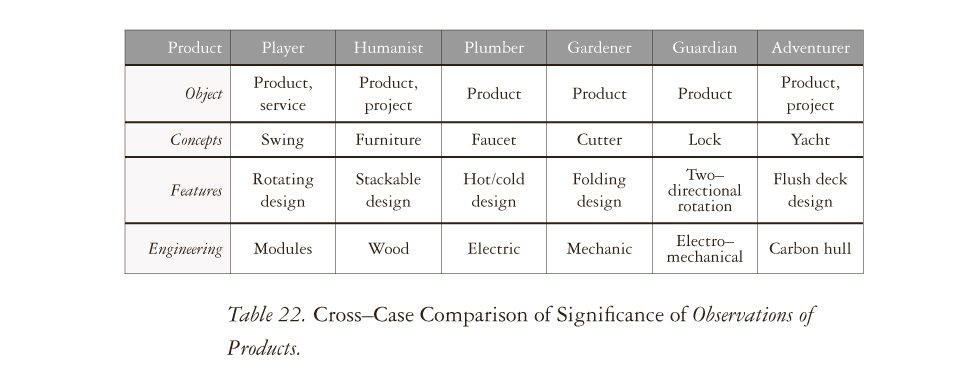
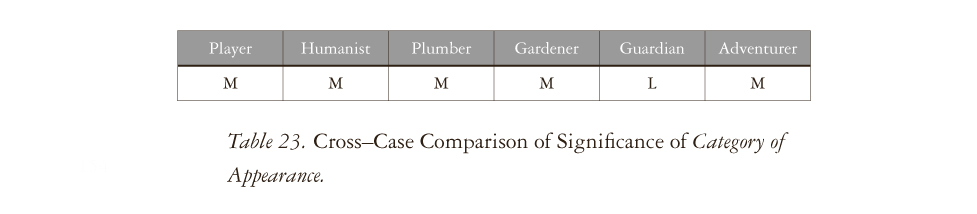
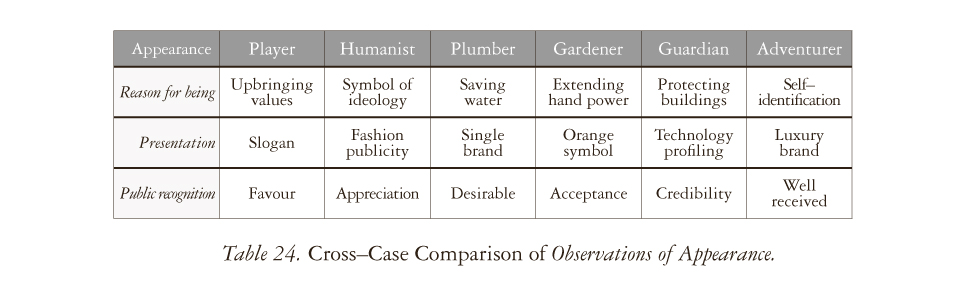

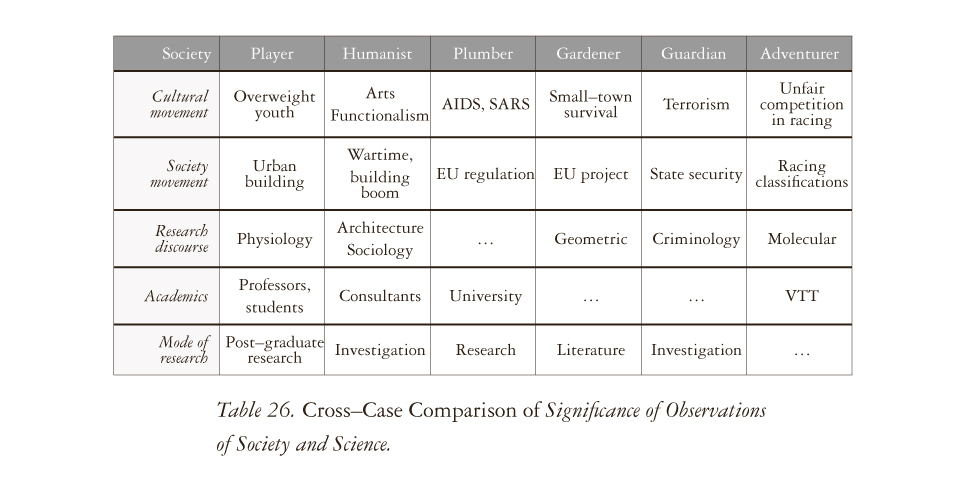

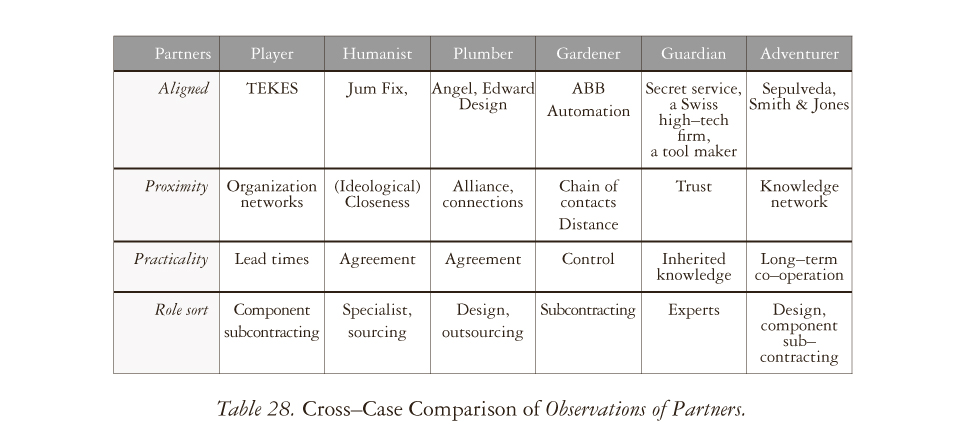
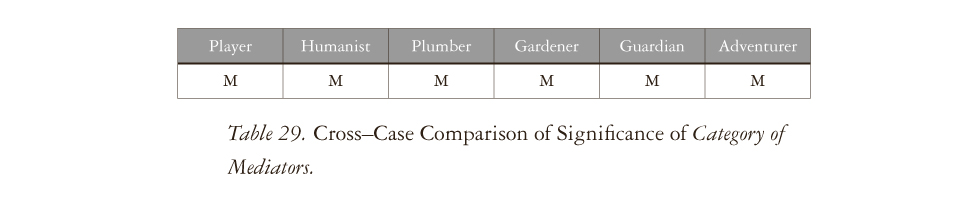
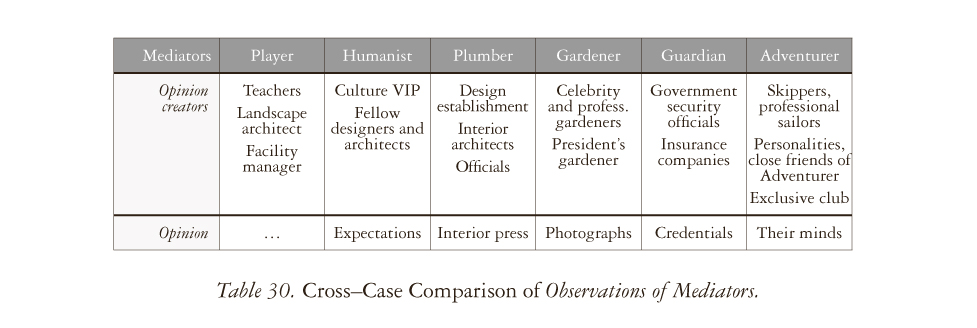
Table 31. Cross-Case Comparison of Significance of Category of Customers, p. 173
Table 32. Cross-Case Comparison of Observations of Customers, p. 173
Table 33. Cross-Case Comparison of Significance of Category of Leadership Preconditions, p. 182
Table 34. Cross-Case Comparison of Observations of Leadership Preconditions, p. 183
Table 35. Cross-Case Comparison of Significance of Category of Activists, p. 188
Table 36. Cross-Case Comparison of Observations of Activists, p. 189
Table 37. Cross-Case Comparison of Significance of Category of Decision Making, p. 193
Table 38. Cross-Case Comparison of Observations of Decision Making, p. 194
Table 39. Cross-Case Comparison of Significance of Category of Spirit, p. 199
Table 40. Cross-Case Comparison of Significance of Observations of Spirit, p. 199
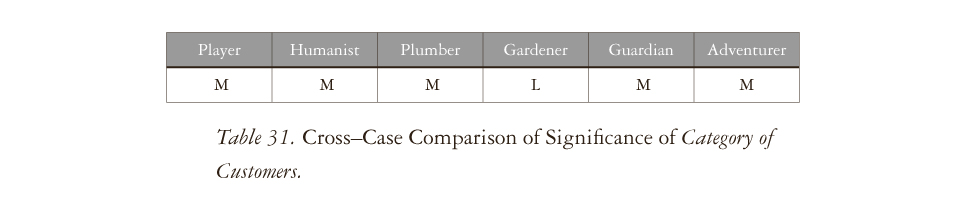
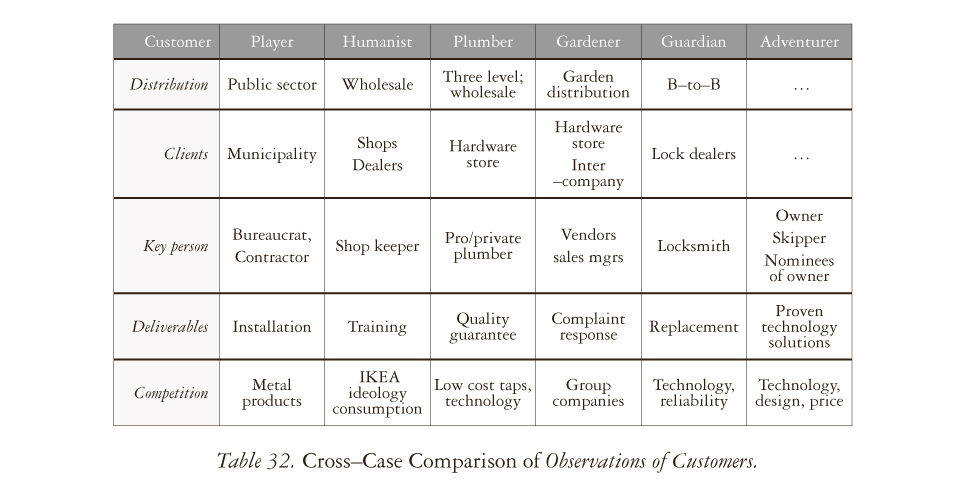
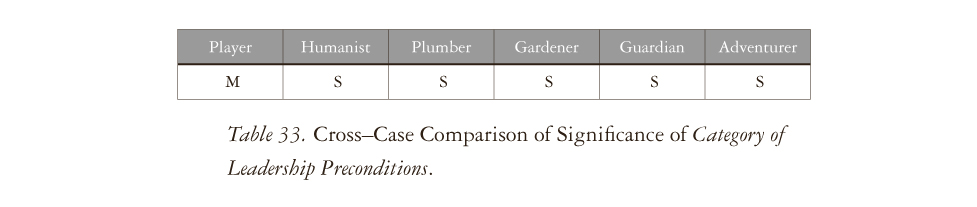

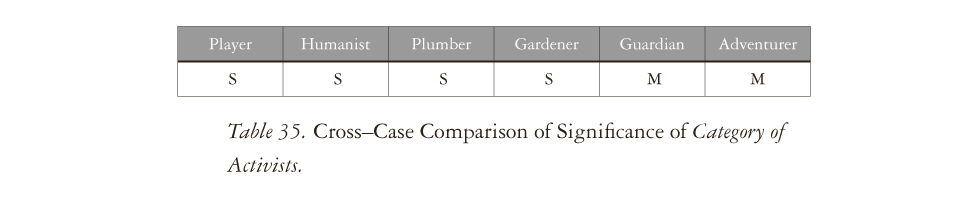
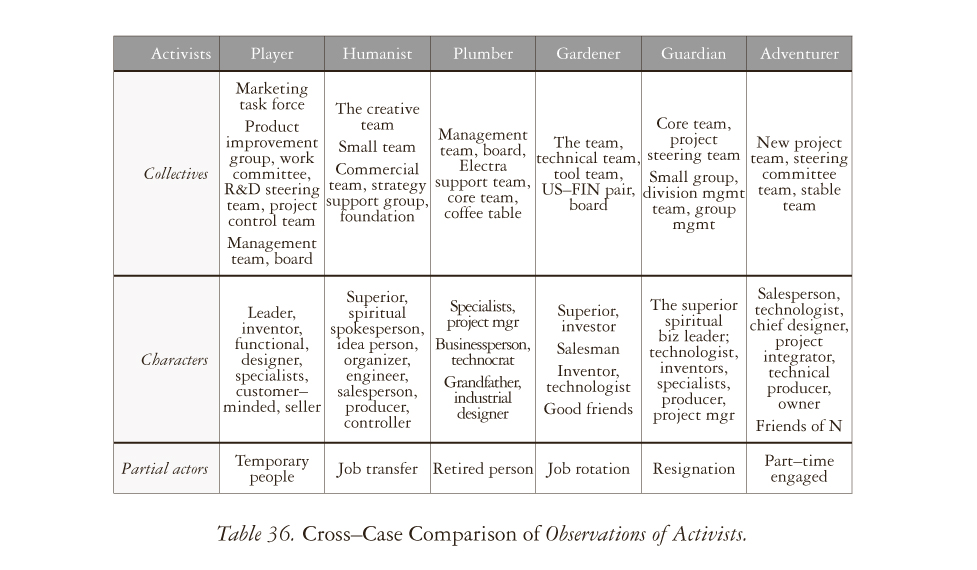

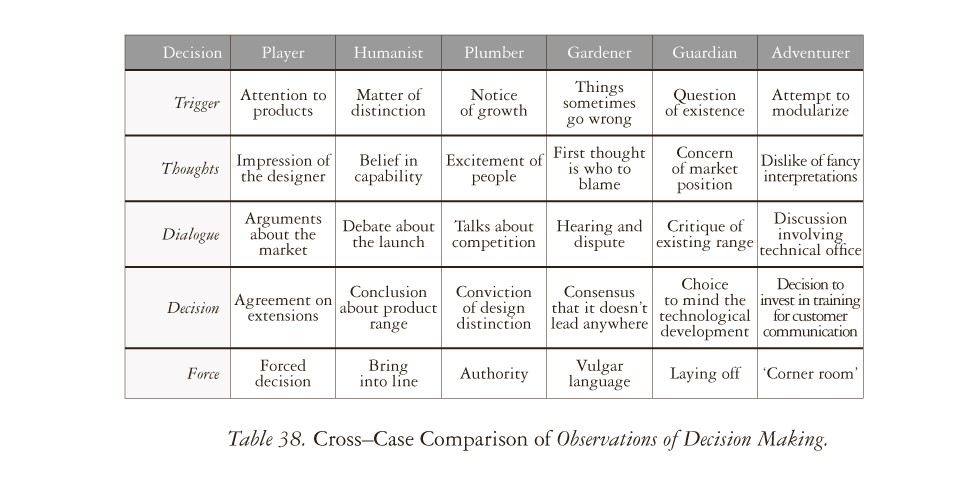
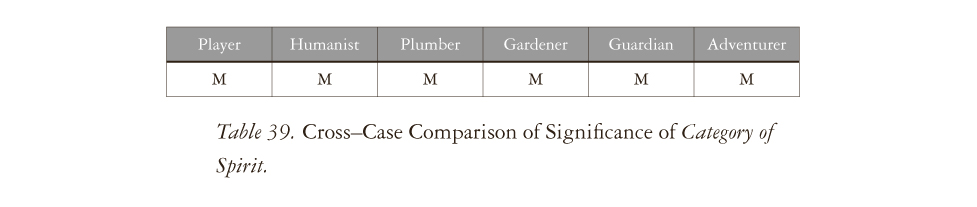
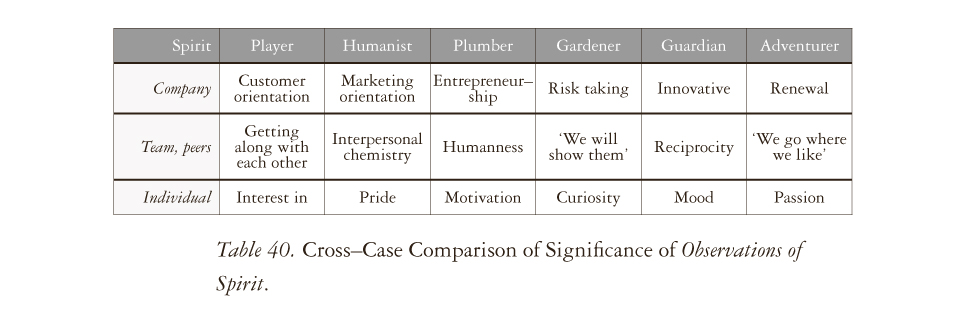
Table 41. Cross-Case Comparison of Significance of Category of Invention, p. 204
Table 42. Cross-Case Comparison of Observations of Invention, p. 205
Table 43. Cross-Case Comparison of Significance of Category of Learning and Skills, p. 208
Table 44. Cross-Case Comparison of Observations of Learning and Skills, p. 209
Table 45. Cross-Case Comparison of Significance of Category of Practices & Arrangements, p. 215
Table 46. Cross-Case Comparison of Observations of Practices & Arrangements, p. 215
Table 47. Cross-Case Comparison of Significance of Category of Functional Structure, p. 221
Table 48. Cross-Case Comparison of Observations of Functional Structure, p. 222
Table 49. Cross-Case Comparison of Significance of Category of Process Control, p. 225
Table 50. Cross-Case Comparison of Observations of Process Control, p. 226
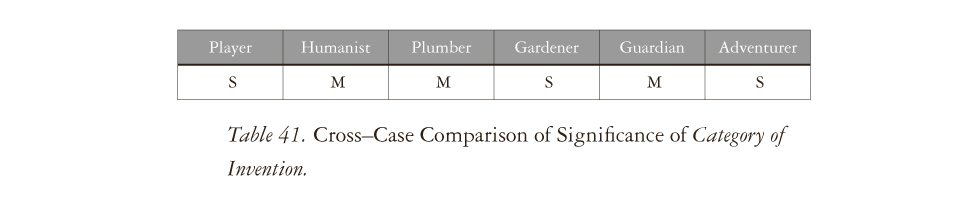
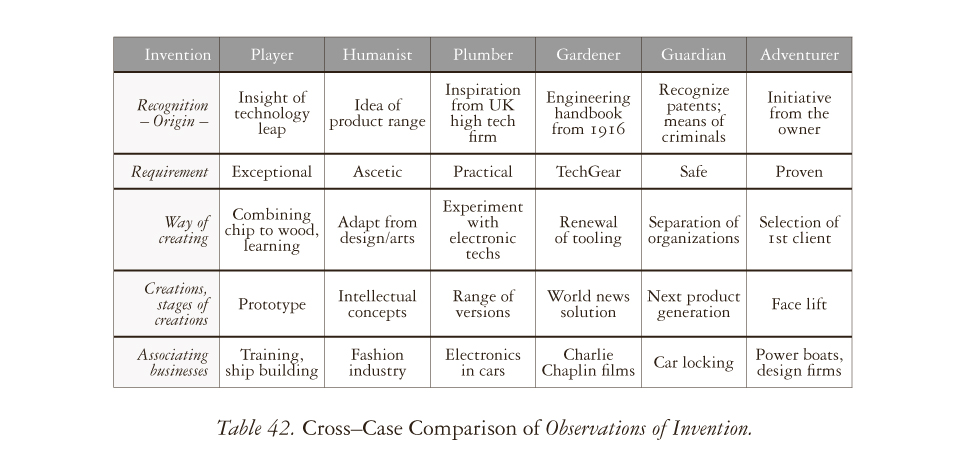
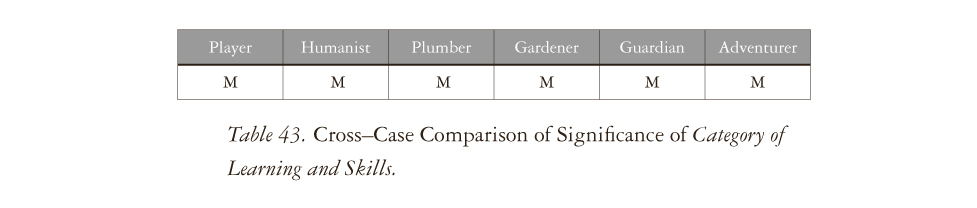
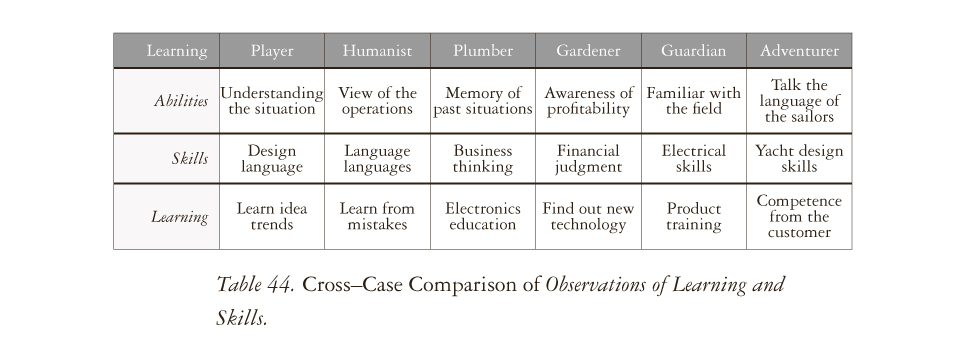
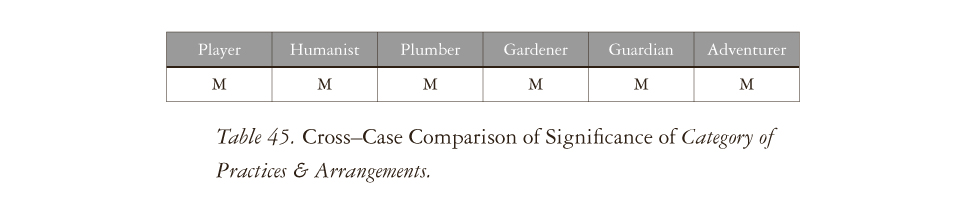
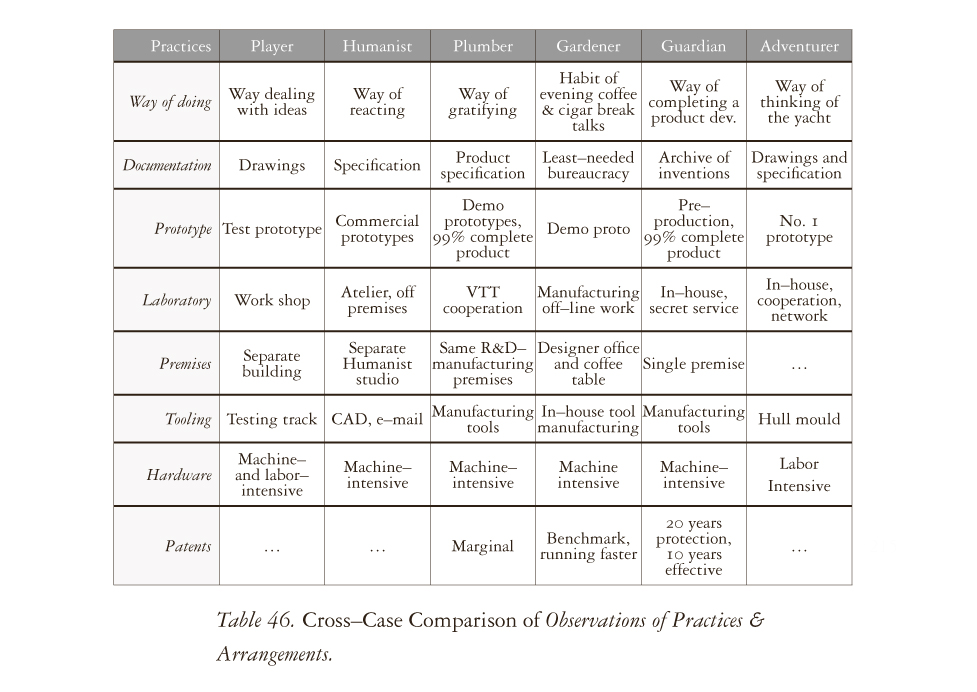
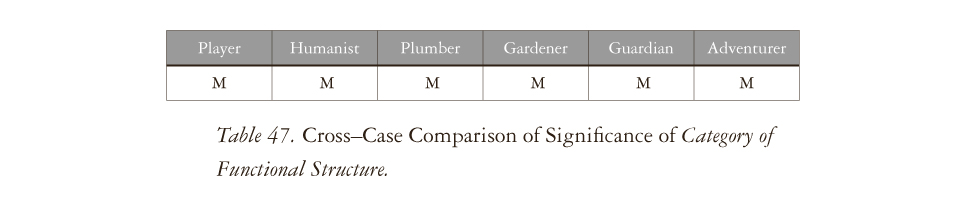
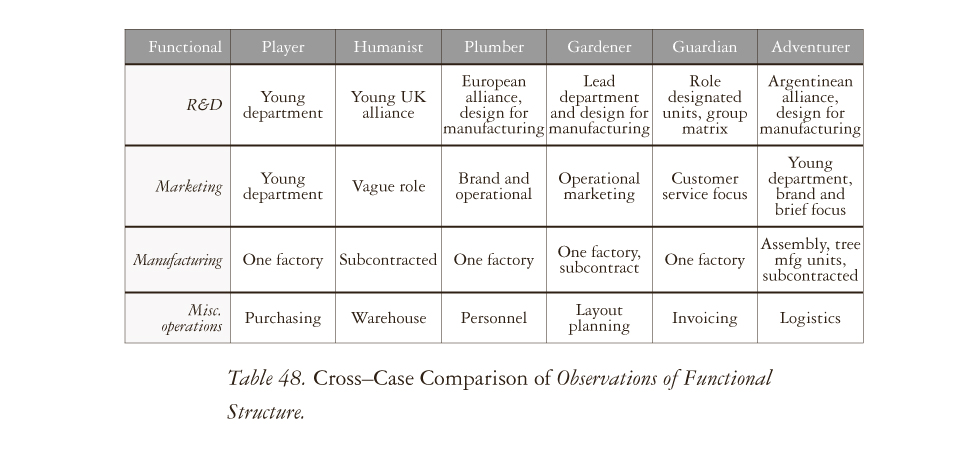
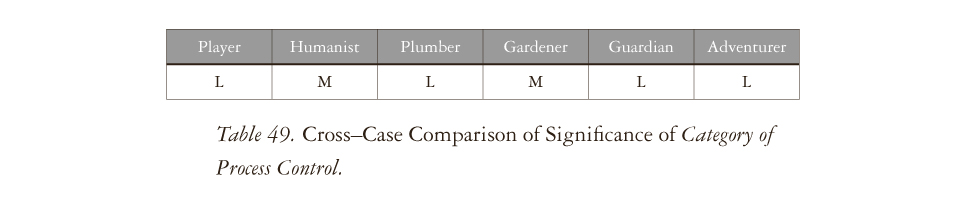
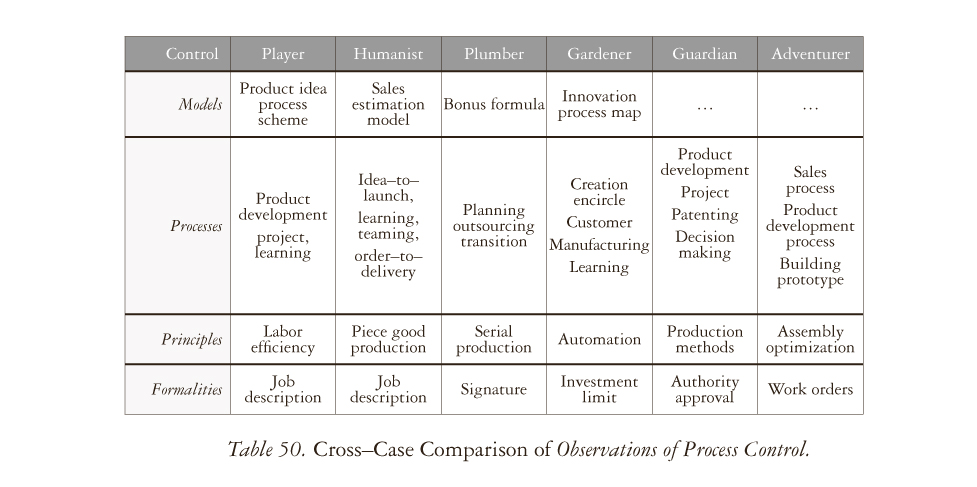
Table 51. Cross-Case Comparison of Significance of Category of Project Administration, p. 230
Table 52. Cross-Case Comparison of Observations of Project Administration, p. 230
Table 53. Cross-Case Comparison of Significance of Category of Sales and Marketing Promotion, p. 235
Table 54. Cross-Case Comparison of Observations of Sales and Marketing Promotion, p. 236
Table 55. Cross-Case Comparison of Significance of Category of Economics, p. 239
Table 56. Cross-Case Comparison of Observations of Economics, p. 240
Table 57. Dependency Between Actor and Preconditions, p. 267
Table 58. Critical Dependency Analysis Matrix, p. 268
Table 59. Test of Causality Between Activist and Preconditions, p. 271
Table 60. Conclusion: Dependency Between Activist and Preconditions, p. 272
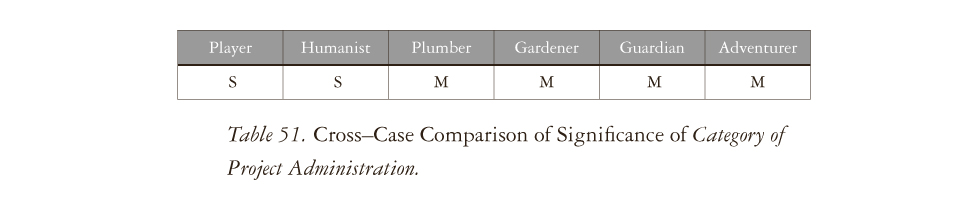

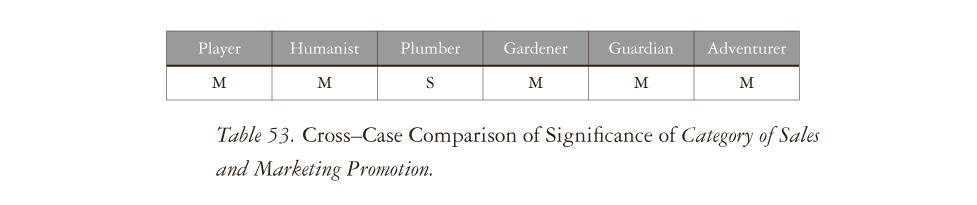
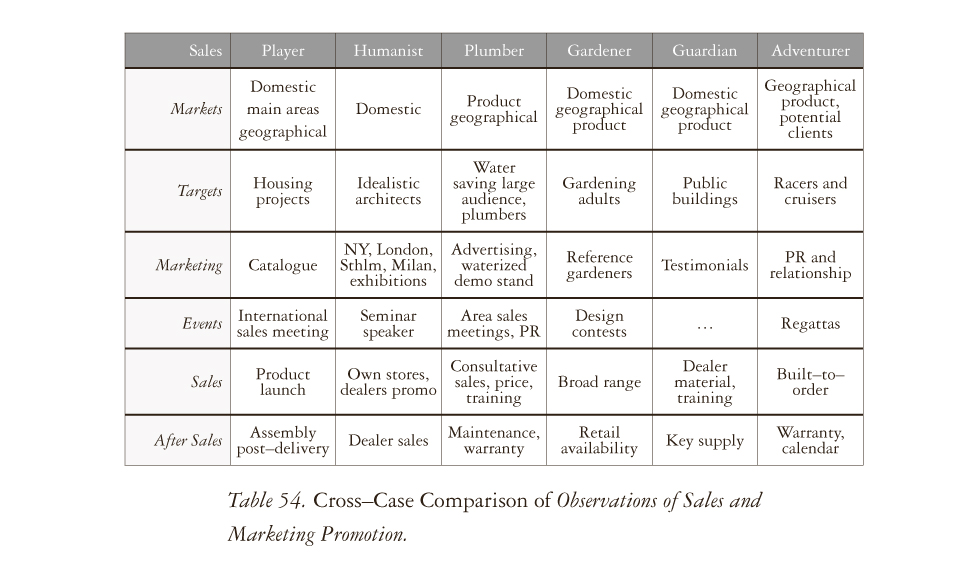



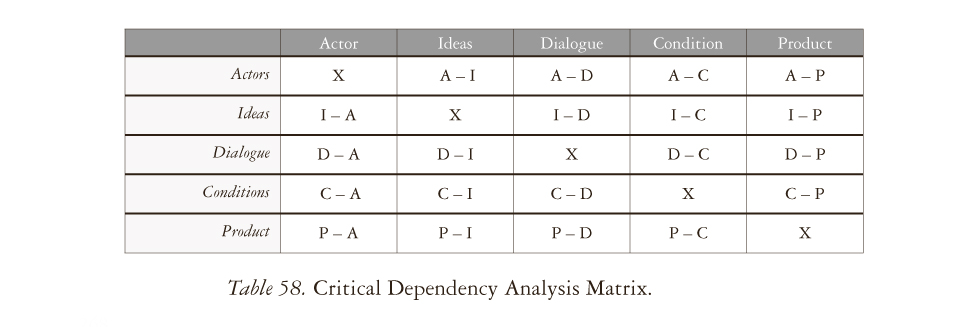
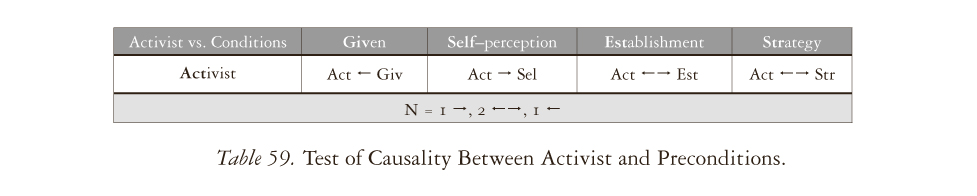

Table 61. Test of Causality Between Activist and Invention, p. 273
Table 62. Conclusion: Dependency Between Activist and Invention, p. 273
Table 63. Test of Causality Between Activist and Decision Making, p. 275
Table 64. Conclusion: Dependency Between Activist and Decision Making, p. 275
Table 65. Test of Causality Between Activist and Product, p. 276
Table 66. Conclusion: Dependency Between Activist and Invention, p. 277
Table 67. Summary of Activist-Related Association, p. 277
Table 68. Test of Causality Between Product and Invention, p. 279
Table 69. Conclusion: Dependency Between Product and Invention, p. 279
Table 70. Test of Causality Between Product and Decision Making, p. 280


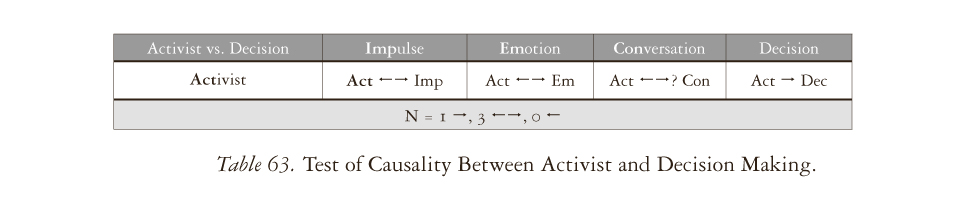



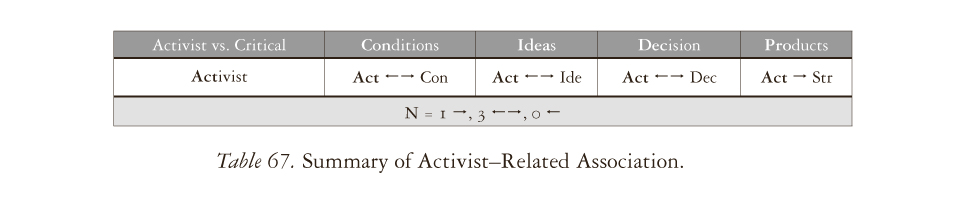
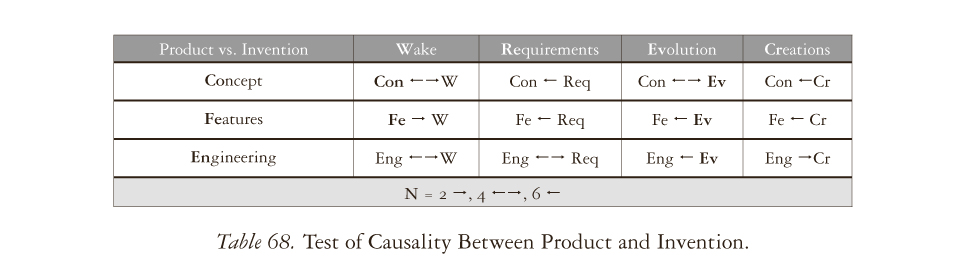

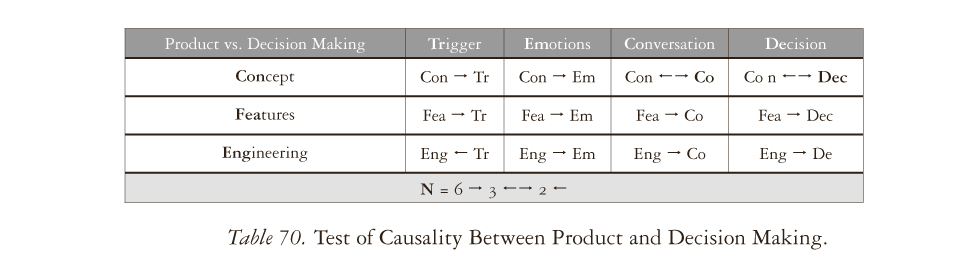
Table 71. Conclusion: Dependency Between Product and Decision Making, p. 280
Table 72. Test of Causality Between Product and Preconditions, p. 282
Table 73. Conclusion: Dependency Between Product and Preconditions, p. 282
Table 74. Summary of Product-Related Associations, p. 283
Table 75. Test of Causality Between Preconditions and Invention, p. 284
Table 76. Conclusion: Dependency Between Preconditions and Invention, p. 285
Table 77. Test of Causality Between Preconditions and Decision Making, p. 286
Table 78. Conclusion: Dependency Between Preconditions and Decision Making, p. 287
Table 79. Test of Causality Between Invention and Decision Making, p. 288
Table 80. Conclusion: Dependency Between Preconditions and Decision Making, p. 289

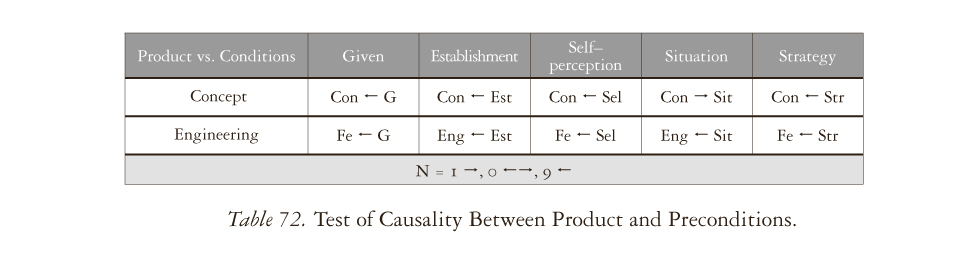

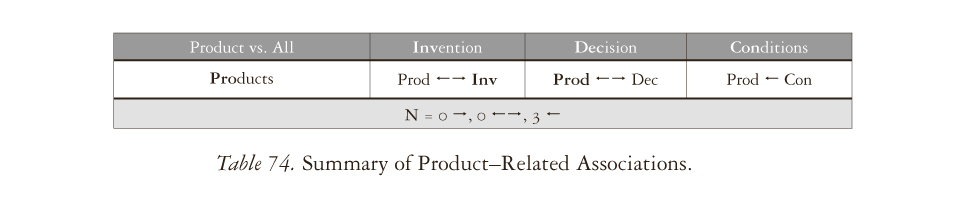
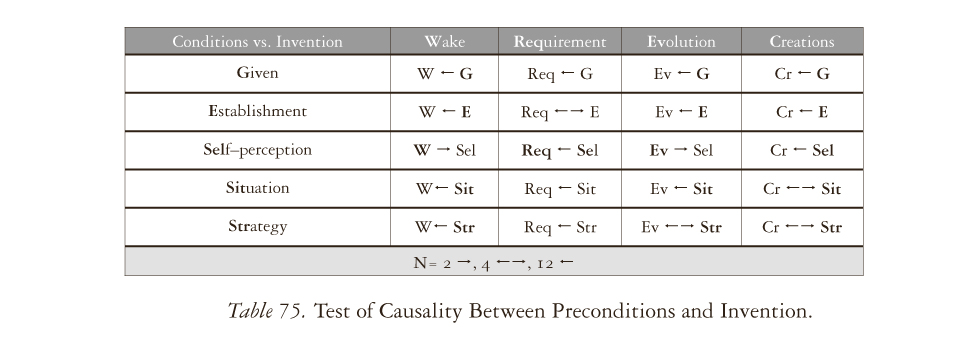

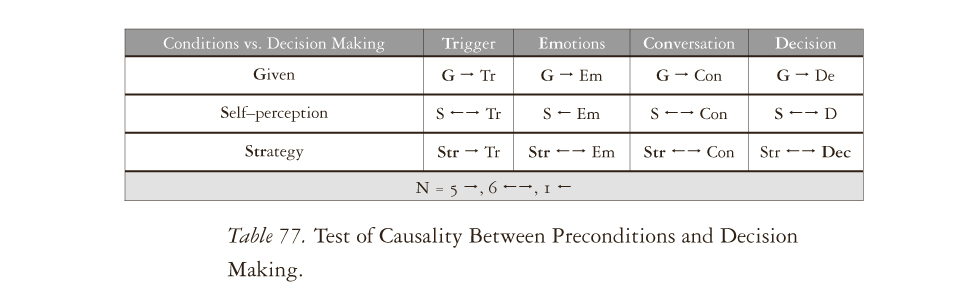

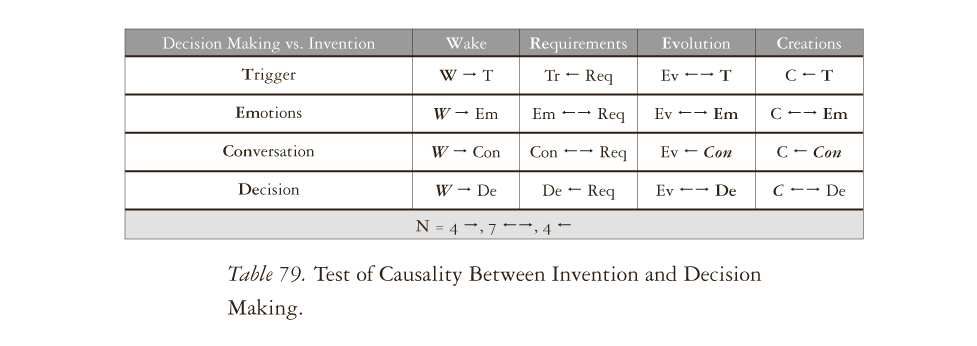

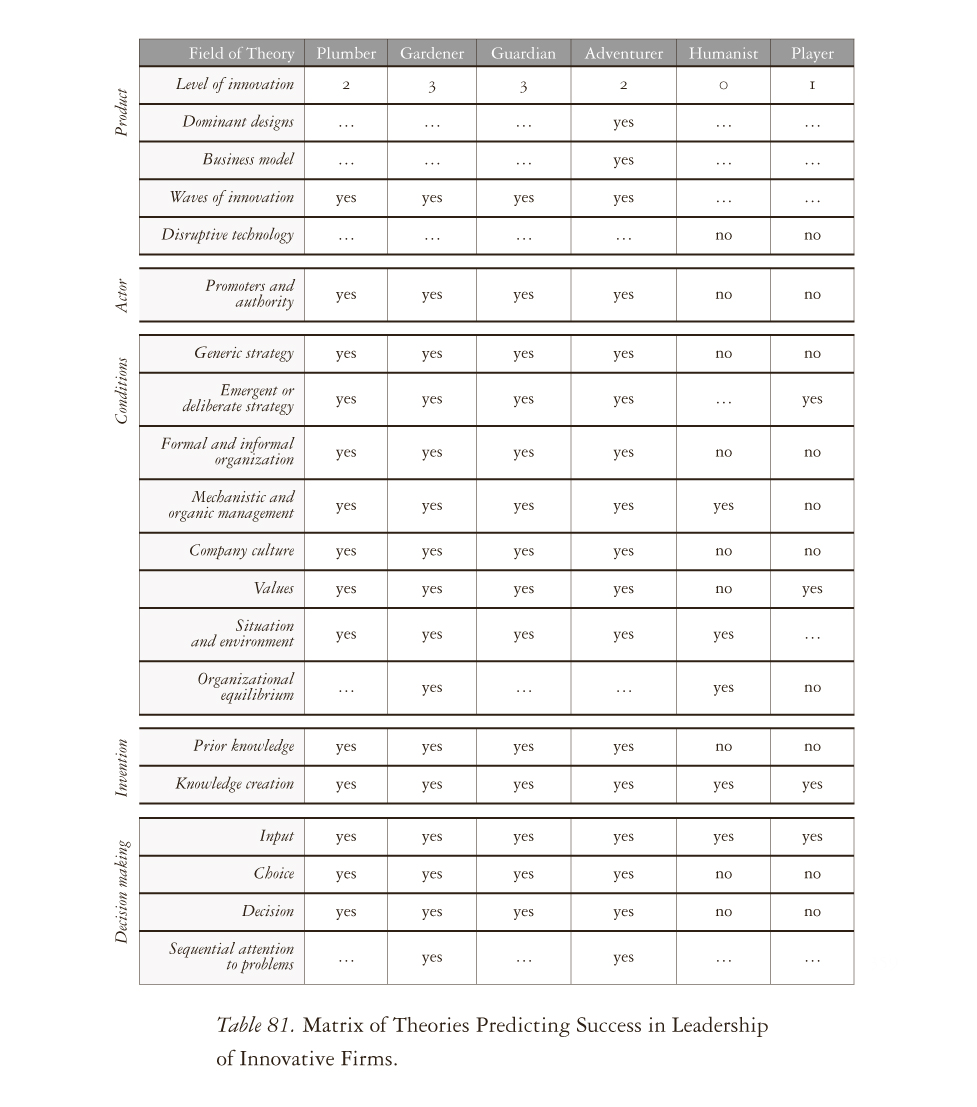
Table 81. Matrix of Theories Predicting Success in Leadership of Innovative Firms, p. 359
Table 82. Abstract Matrix of Frictions and Barriers for Innovation, p. 361